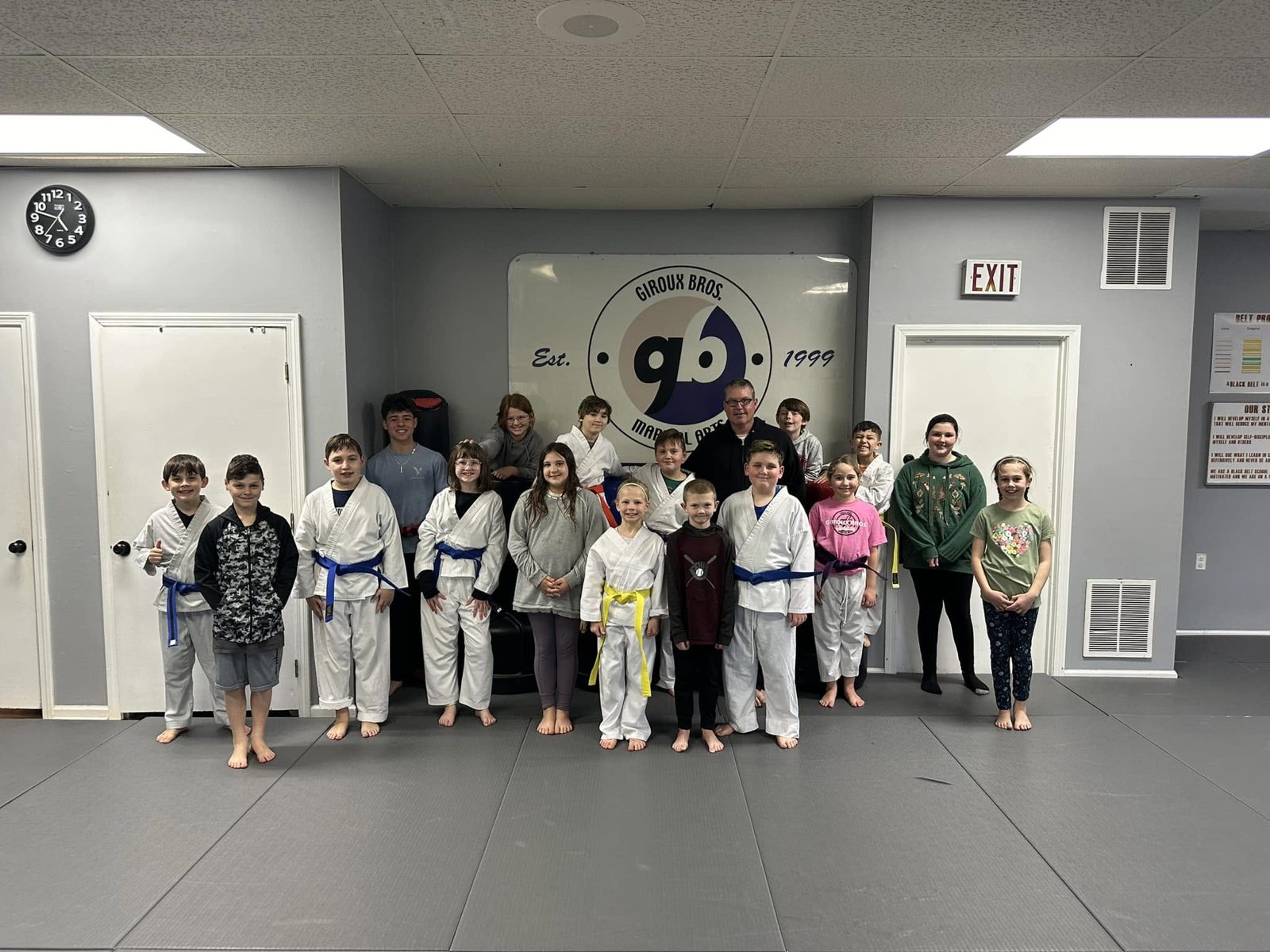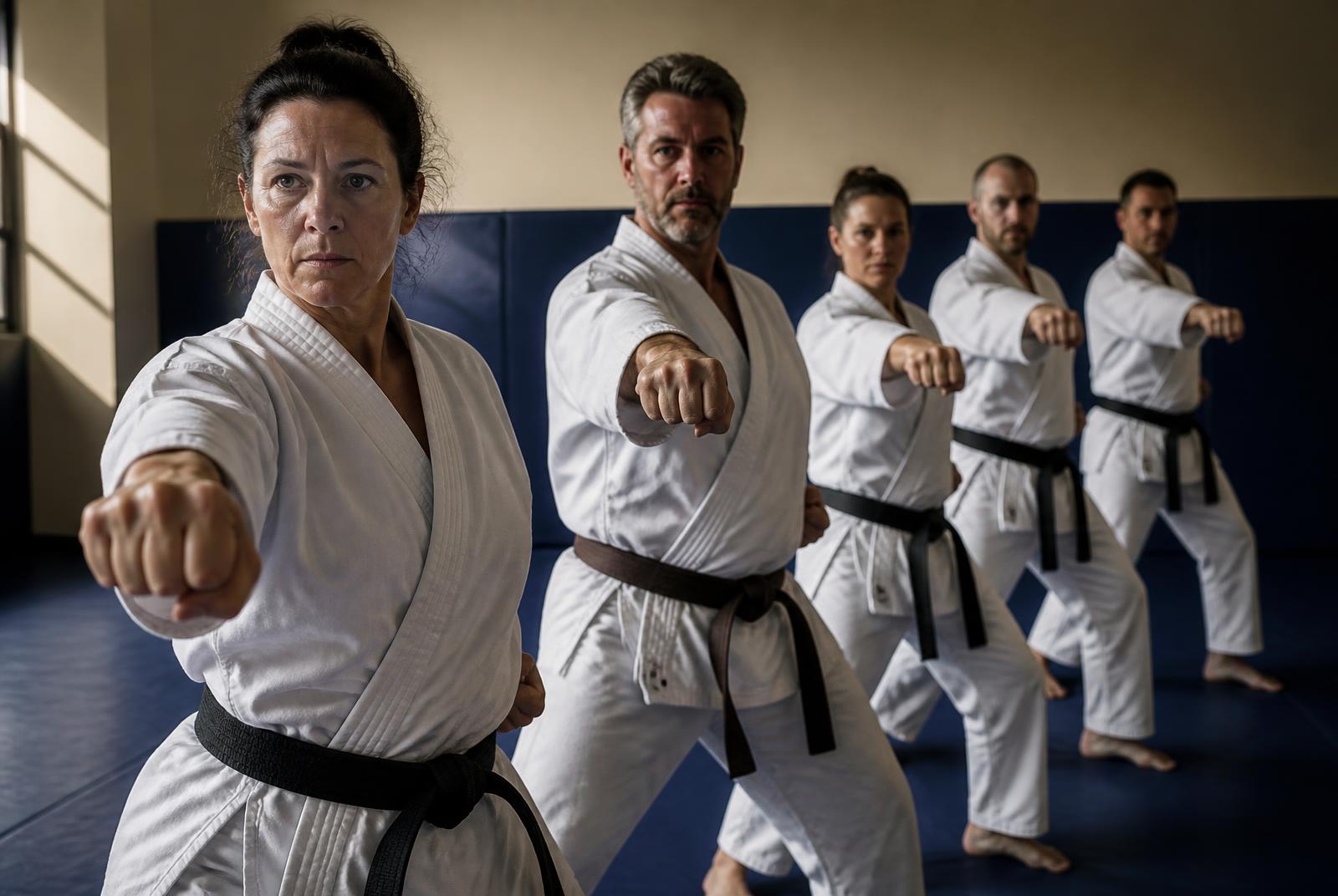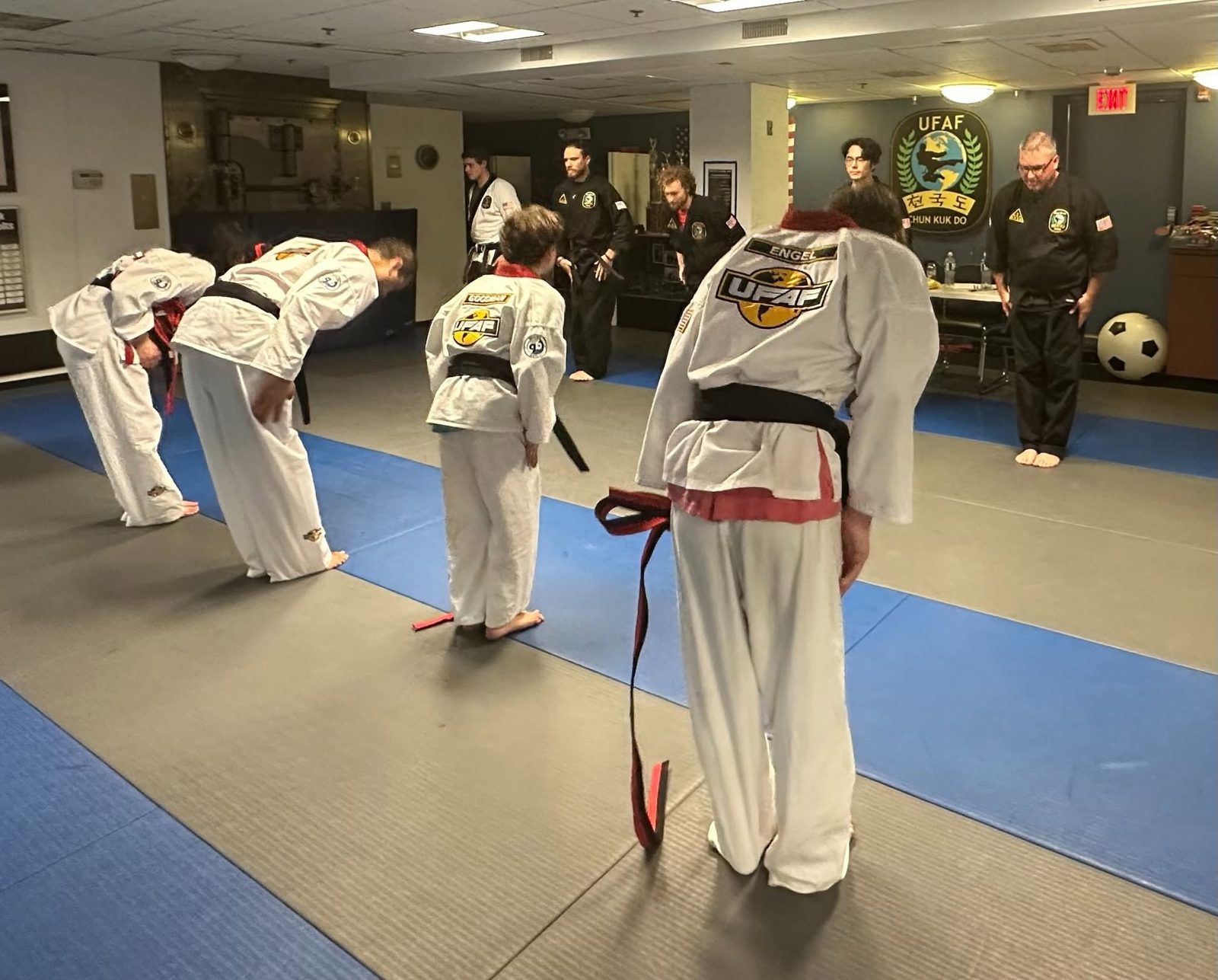
One of the most common questions we hear from parents in Newtonville, West Newton, and the surrounding towns is some version of the same thing: is my child too young, or did we already miss the window?
The honest answer is that there is rarely a wrong time to start, but there is a right way to start depending on your child's age and personality. This guide breaks it down stage by stage so you can make a decision with confidence instead of guesswork.
Our head instructor here in Newtonville, Master Danny Sohmer, started karate at four years old because he wanted to be a Ninja Turtle. More than two decades later he still teaches on the same mat he grew up on. His own story is a good reminder that the reason a child starts rarely matters. What matters is what happens after.
Why Four Is Often the Magic Number
Around age four, most children develop enough language, balance, and impulse control to follow simple group instructions while still being young enough to absorb habits quickly. This is why our kids program welcomes students starting at about this age.
A four year old in karate class is not learning complex self-defense yet. They are learning to stand still when asked, to wait their turn, to say "yes sir" or "yes ma'am," and to try something hard in front of other people without melting down. Those are the real building blocks, and they transfer directly into preschool and kindergarten classrooms.
Signs a four or five year old is ready
- Can follow a two-step instruction, like "touch your toes, then stand up"
- Shows interest in moving, kicking, or playing superhero games at home
- Can separate from a parent for a 30 to 45 minute class without major distress
- Responds to praise and encouragement from adults outside the family
If your four year old checks most of these boxes, they are likely ready for an early-start kids class. If not, waiting six months to a year rarely hurts and sometimes helps a great deal.
Ages 6 to 9: The Sweet Spot for Fast Progress
This is the age range where most martial arts schools, including ours, see the fastest and most visible growth. Kids in this range can hold a stance, remember a sequence of movements, and genuinely understand why effort matters, not just that a grown-up told them to try.
Belt promotions start to mean something real to a six to nine year old. They can look at a stripe on their belt and connect it directly to weeks of practice. This is also the age where we most often hear from parents that karate habits are showing up at home and at school, like better focus during homework or more patience with a younger sibling.
What progress looks like at this age
- Holding a stance for 30 to 60 seconds with proper form
- Remembering a short combination of blocks, strikes, and kicks
- Demonstrating basic self-control during sparring drills
- Starting to help or encourage newer, younger students
Ages 10 to 12: Building Real Technical Skill
Preteens are often ready for more technical depth and more physically demanding training. This is the stage where kids start to genuinely own their progress rather than simply following along. Many of our students in this age range begin competing, which adds goals beyond the next belt test.
It is also a stage where social pressures ramp up at school. Karate training at this age gives kids a structured place to build real confidence that is earned, not just told to them, which tends to carry over directly into how they handle friend drama, team tryouts, and general middle school stress.
Teens and Adults: It Is Genuinely Never Too Late
We regularly hear from adults in Chestnut Hill and Wellesley who assume karate is a kids' activity they missed out on. It is not. Our adult program welcomes complete beginners with a two week introductory offer plus a free uniform for 29 dollars, specifically because we know most adults feel nervous walking in the first time.
Adults who start karate in their thirties, forties, or beyond often progress faster than they expect, because they bring discipline and follow-through that younger students are still developing. Age is rarely the real barrier. Hesitation is.
What If My Child Seems Too Shy or Too Wild for Karate?
This is one of the most common hesitations we hear, and it usually points toward karate being a good fit, not a bad one.
For the shy child
Karate class gives quiet kids a low-pressure, structured way to be seen and praised in front of a group, without needing to be the loudest person in the room. Many of our most confident teenage students started out as the kid who would not make eye contact during their first class.
For the high-energy child
Structured physical activity with clear rules often channels extra energy far better than unstructured free play. One parent recently told us their son came home calmer after karate than after any other activity they had tried, simply because the class gave him a clear outlet with real boundaries.
What to Expect in the First Few Weeks, by Age
- Ages 4 to 5: Expect short attention spans, lots of repetition, and big praise for small wins like standing still.
- Ages 6 to 9: Expect quick memorization of basic forms and real excitement around stripes and belt tests.
- Ages 10 to 12: Expect kids to start asking questions about technique and wanting to understand the "why" behind a move.
- Teens and adults: Expect to feel awkward for about two to three classes, then notice a real shift in confidence by week four.
What If You Start Late and Feel Behind?
Parents sometimes worry that starting at age seven or eight means their child is already behind kids who started at four. In practice, this almost never plays out the way parents fear.
Instructors place new students based on current skill, not age or how long other kids have trained. A seven year old starting fresh is grouped and taught at a pace appropriate for a true beginner, and most catch up on fundamentals within a few months of consistent attendance.
A simple way to think about timing
- Four to five: best for building early habits and social readiness
- Six to nine: fastest visible skill progress and strongest belt motivation
- Ten to twelve: best for technical depth and competition interest
- Any age beyond that: still completely valid, just a different starting point
How to Talk to Your Child About Starting Karate
The way you introduce the idea matters. Avoid framing karate as a punishment or a fix for a problem, such as "you need this because you got in trouble at school." Instead, frame it as something exciting they get to try, similar to how you would introduce a new sport or hobby.
Letting your child watch a class first, rather than only hearing about it, tends to build genuine excitement rather than apprehension. Most kids leave a first observation asking when they get to start, rather than needing convincing.
What a Typical First Month Looks Like by Age
Parents often want a concrete picture of what the early weeks actually involve, rather than vague reassurance. Here is a realistic breakdown by age group based on what we see every session.
Four and five year olds
Expect short, game-based drills, a lot of repetition of basic stances, and instructors who redirect wandering attention gently rather than with strict discipline. Progress is measured in small wins, like completing a full warm-up without wandering off the mat.
Six to nine year olds
Expect your child to come home able to demonstrate at least one basic stance or strike by the end of week two, and to start asking when their next stripe or belt test is scheduled.
Ten to twelve year olds
Expect more detailed technical feedback from instructors and a faster introduction to sparring concepts, since kids this age can generally handle more nuance and controlled contact.
Why Waiting Too Long Can Make the First Step Harder
We sometimes meet families who delayed starting because they wanted to wait for a "better" time, only to find that a ten or eleven year old who has never tried a structured activity like this can feel more self-conscious walking in for the first time than a four year old would. Younger children generally have less fear of looking silly in front of peers, which can make an earlier start genuinely easier, not just developmentally convenient.
Frequently Asked Questions
Is four years old really not too young for karate?
For most children, four is a great starting age because they are developmentally ready to follow simple group instruction while still young enough to build lifelong habits early. Our /kids-karate program is built specifically around this age group.
What if my child starts karate and does not like it right away?
The first class or two is almost always an adjustment. Give it three to four classes before deciding. Most kids who seem unsure in week one are asking to go back by week three.
Is there a cutoff age where it is too late to start?
No. We have students who started as adults with zero prior experience and progressed well through consistent training. The adult program at /karate is built for exactly this.
How often should a young child train per week?
Most young children see the best results training one to two times per week, which is enough to build consistency without feeling like a burden on the family schedule.
Can siblings of different ages train together?
Yes, though they are typically grouped by age and skill level rather than placed in the exact same class. Many families find that having multiple kids training here, even in different classes, makes the whole commitment easier.
Find the Right Starting Point for Your Child
Every child develops on their own timeline, and the right age to start is less important than finding the right environment once they do start. Visit /kids-karate to learn more about our program for younger students, or reach out through /contact to ask us directly where your child might fit best.
New Student Experience
Ready to See It In Person?
4 Weeks of Classes — $49